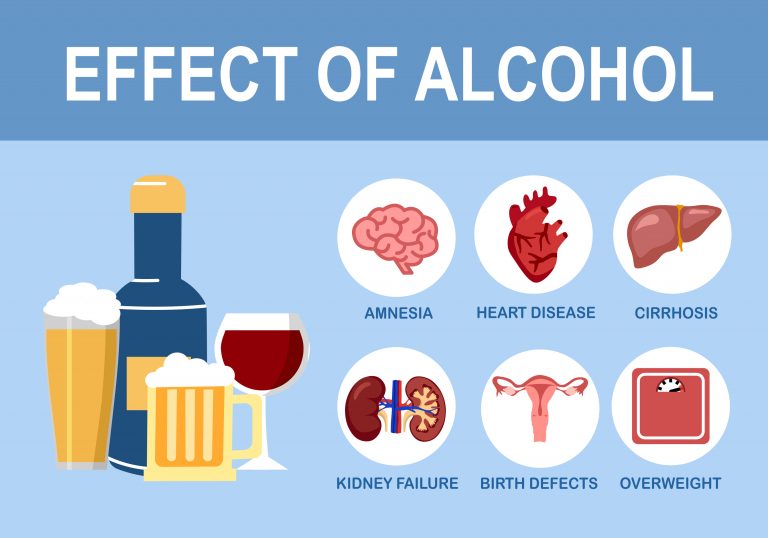
Millions of children worldwide live with the emotional and psychological consequences of parental addiction, a reality that is often hidden but profoundly shaping. The National Association for Children of Alcoholics observes that children of alcoholics, or COAs, experience challenges that can span their entire lives, influencing relationships, emotional health, and even their own patterns around substance use. Awareness and support are essential if the cycles of trauma and addiction are to be broken, and initiatives such as Children of Alcoholics Week shine a light on these often unseen struggles.
Addiction as a Family Experience
Addiction rarely affects only the individual who drinks or uses substances. Families, and particularly children, bear the weight of secrecy, stress, and instability, often without anyone recognising the toll it takes. Growing up in an environment overshadowed by alcohol misuse can mean heightened anxiety, difficulty forming trust and a sense of responsibility beyond a child’s years.
Everyday experiences such as inconsistent routines or unpredictable parental behaviour can leave lasting impressions on children. Understanding addiction as a family disease reframes the conversation around treatment and recovery, showing that interventions, which consider the broader family system, can have long-lasting impact not only on the individual but also on those closest to them.
The Intergenerational Cycle
Research shows that untreated addiction and trauma often ripple through generations, shaping the emotional landscape of children and influencing their adulthood. Many adult children of alcoholics describe patterns of anxiety and difficulty with attachment, subsequently facing challenges in maintaining healthy relationships. Without intervention these patterns can repeat, subtly reinforcing family dysfunction and perpetuating cycles of addiction.
Recognising these patterns is not about blame but about clarity, offering families an opportunity to intervene with compassion and evidence-based support. Structured recovery programmes and trauma-informed care provide practical ways to break these cycles, offering both children and adults a path to resilience.
Common Misconceptions
It is often assumed that children simply “bounce back” from exposure to parental addiction, that addiction affects only the individual, or that recovery is solely for the person struggling with substance use. None of these assumptions capture the complexity of the issue.
Children may appear outwardly resilient yet carry hidden anxieties and emotional challenges into adulthood. Awareness campaigns like Children of Alcoholics Week highlight that the impact is profound, lasting, and deserving of attention from educators, healthcare professionals and communities alike. By understanding the long-term effects, we can respond with targeted support and interventions that make a real difference.
Why Structured Support Matters
High-quality recovery programmes that incorporate family systems and trauma-informed care provide more than a path to abstinence, they offer a way to protect the children who depend on you. Addiction rarely affects only the individual who drinks or uses substances. It shapes home environments and can leave emotional patterns that persist across generations.
Addressing past experiences and patterns within recovery gives you the tools not only to heal yourself but also to create safety and resilience for your children. This approach moves beyond symptom management and embraces a vision of recovery that safeguards the next generation while rebuilding your own life.
Finding Guidance and Support
If you are struggling with alcohol, recognising the impact on your children can be the first step toward meaningful change. Support exists and professional help can guide you through recovery in a way that prioritises both your wellbeing and that of your family.
At The Bridge, structured programmes combine clinical expertise with compassionate care, addressing individual needs and family dynamics together. Engaging with tailored interventions can help you break long-standing cycles of trauma, restore relationships, and provide your children with a more secure and nurturing environment. Recovery is not just for you, it is for the future you can create for your family.
Photo by cottonbro studio