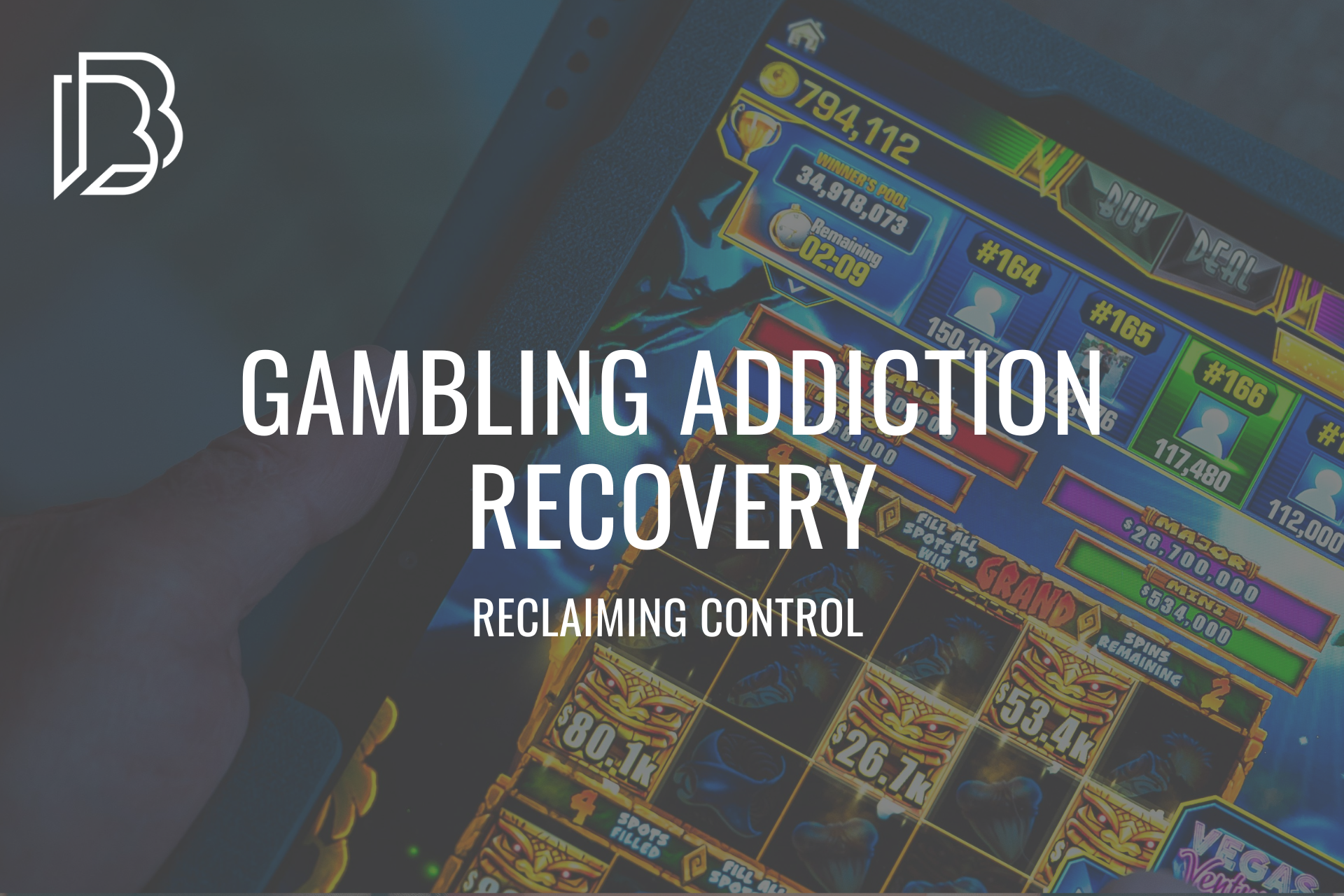
Gambling addiction is often misunderstood, both by those experiencing it and by those around them. It rarely announces itself in obvious ways and is frequently concealed behind normal routines, professional success or outward financial stability.
Yet for many people, gambling gradually moves from a source of entertainment to a behaviour that feels increasingly difficult to control, bringing with it anxiety, secrecy and a growing sense of disconnection from everyday life.
Recovery begins not with judgement but with understanding. Gambling addiction is not a failure of willpower or discipline. It is a behavioural condition shaped by psychological, emotional and neurological factors that reinforce compulsive decision making. Modern rehabilitation approaches recognise this complexity and focus on restoring balance rather than simply removing access to gambling itself.
Understanding the Nature of Gambling Addiction
Unlike substance addictions, gambling does not involve an external chemical. The dependency develops through patterns of reward and anticipation, driven by dopamine responses linked to risk and uncertainty. Over time, the brain becomes conditioned to seek relief or stimulation through gambling, even as the consequences become increasingly negative.
This cycle often leads to distorted thinking, including the belief that losses can be recovered or that control can be regained through one final decision. These cognitive patterns are central to the addiction and require careful therapeutic intervention to address effectively.
What Recovery Really Involves
Effective gambling addiction recovery focuses on more than abstinence. While stopping the behaviour is essential, long term recovery depends on understanding the emotional triggers that drive it. Stress, perfectionism, unresolved trauma and feelings of inadequacy frequently sit beneath compulsive gambling and must be explored in a structured and supportive environment.
At a clinical level, recovery programmes combine psychological therapy, behavioural interventions and emotional regulation techniques. Cognitive behavioural therapy plays a key role in helping individuals recognise distorted thought patterns and replace them with healthier responses. At the same time, deeper therapeutic work may address self esteem, identity and the underlying need for escape or control.
Rebuilding Trust and Stability
One of the most damaging aspects of gambling addiction is the erosion of trust. Financial secrecy, broken promises and emotional withdrawal often strain relationships long before treatment is sought. A meaningful recovery process acknowledges this impact and includes support for rebuilding trust, both with others and with oneself.
Financial counselling and practical planning are also important components of treatment. Learning to re engage with money in a structured and transparent way helps remove fear and avoidance while restoring a sense of agency and responsibility.
A Personalised Approach to Treatment
No two individuals experience gambling addiction in the same way. Effective rehabilitation therefore requires a personalised approach that reflects personal history, professional responsibilities and emotional needs. High quality treatment programmes prioritise individual care plans rather than standardised solutions, allowing recovery to progress at a pace that feels sustainable and realistic.
A calm and private environment can be particularly important for those whose lives involve high levels of pressure or public responsibility. Space, discretion and continuity of care allow individuals to step away from daily triggers while focusing fully on recovery without distraction.
Recovery as a Process of Regaining Control
Recovery from gambling addiction is not about removing choice but about restoring it. Over time, individuals learn to tolerate uncertainty, manage impulses and respond to stress without resorting to compulsive behaviour. This process takes patience and professional guidance, but it is entirely achievable with the right support.
Perhaps most importantly, recovery allows individuals to reconnect with values that may have been overshadowed by addiction. Relationships, work and personal fulfilment begin to regain clarity as emotional stability improves. What emerges is not simply the absence of gambling, but a stronger sense of self direction and resilience.
Looking Forward
Gambling addiction thrives in silence and isolation. Recovery begins with openness and the decision to seek help from professionals who understand the complexity of the condition. With structured treatment, compassionate care and a commitment to change, individuals can move beyond cycles of loss and regain control over their decisions and their future.
At its core, gambling addiction recovery is not about restriction. It is about rebuilding confidence, restoring balance and creating a life in which control feels possible again.
If gambling has begun to feel unmanageable, professional support can make a meaningful difference. At The Bridge Marbella, we offer structured, discreet rehabilitation programmes designed to address gambling addiction at its root, helping individuals regain control and build a more stable and fulfilling future. Reaching out is often the first step toward lasting change.
Photo by Chris F